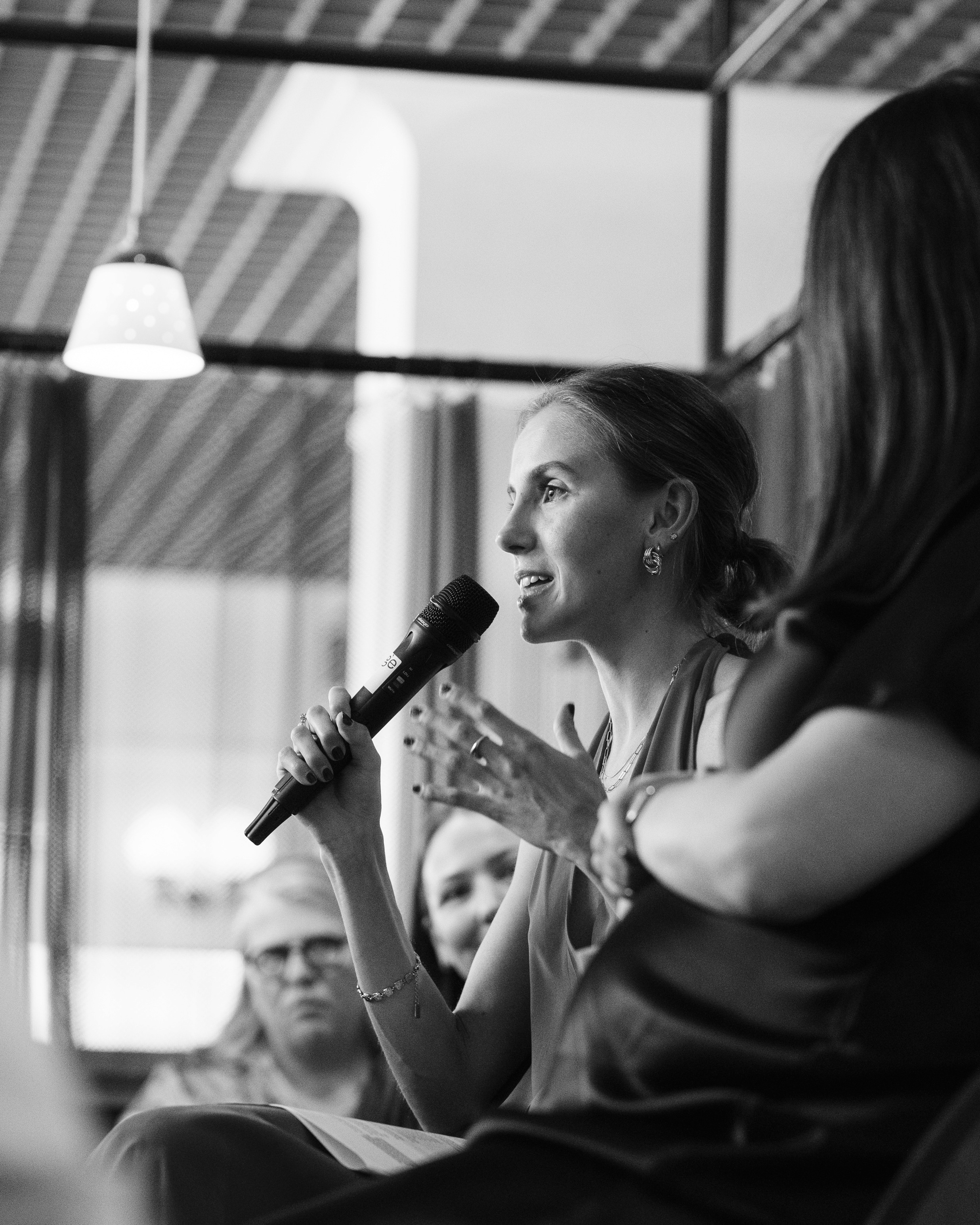
World-Building, Cultural Gravity & the Future of Retail - In Conversation with Colliers’ Jo Windybank
Fridays
Little
Third Place Theory:
Why physical space matters
more than ever
We began with Third Place Theory - a concept that feels perfectly timed for a post-COVID, digital-fatigued world. Third places sit outside of home and work. They’re the cafés, laneways and gathering spaces where community actually happens.
When we asked Jo how she explains Third Place Theory to someone new to the idea, she put it beautifully:
“These are the spaces where people build social connection. They create engagement, loyalty and emotional resonance - things online platforms can’t replicate. In a world full of digital noise, they offer moments of respite and discovery.”
This matters because world-building isn’t simply a marketing idea. It’s about designing places that people want to inhabit. It’s about emotional pull and in many ways, leasing sits right at the centre of that.
Popmart, turning product releases into cultural events.
AP Bakery, whose Sunday run club has become ritualistic for its community - coffee, pastries, connection, routine.
Mecca Bourke Street, where the experience is the anchor: scent sommeliers, dermal therapists, immersive beauty services.
The reinvention of food and beverage, driven by TikTok influence, Gen Z curiosity and hospitality’s evolution into multi-platform experience.
What ties these examples together is not trend-chasing but world-building at the brand level. Each creates its own gravitational field.
In Jo’s words:
“If you can be a brand of predictability in your service and quality, but also a brand of surprise, customers will always come back.”
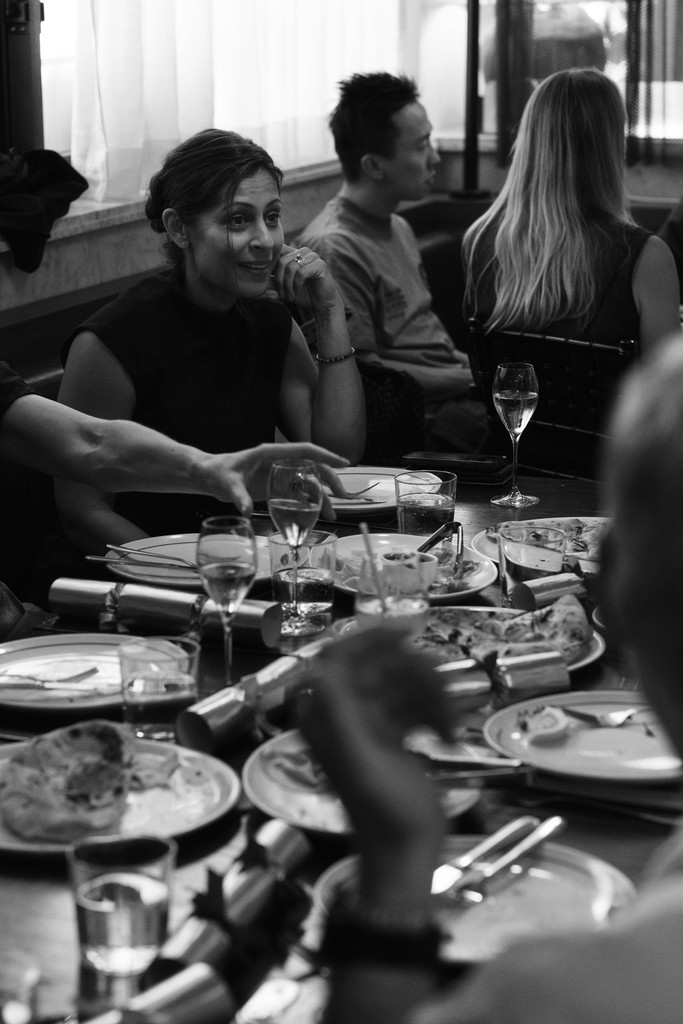

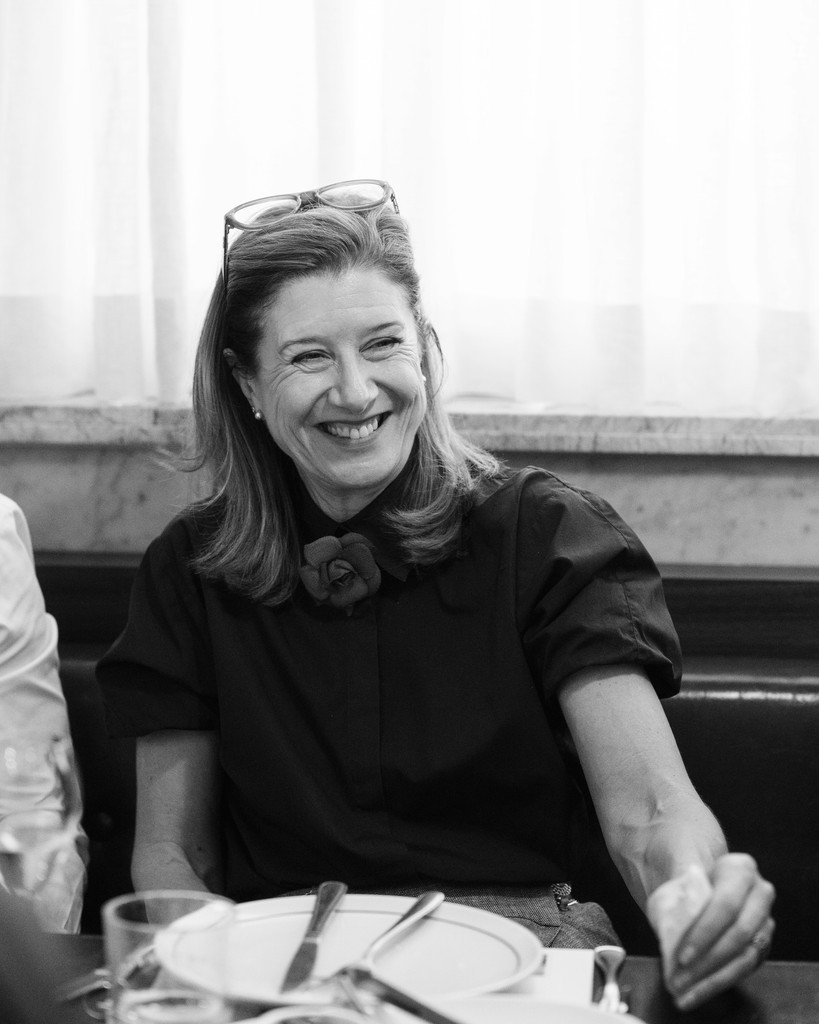
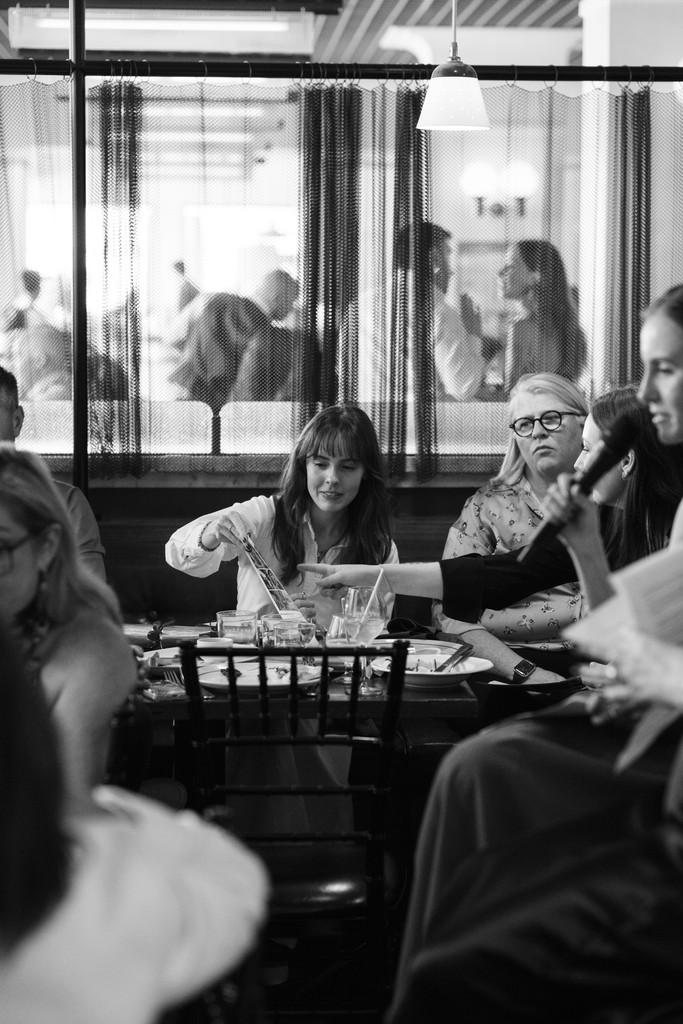
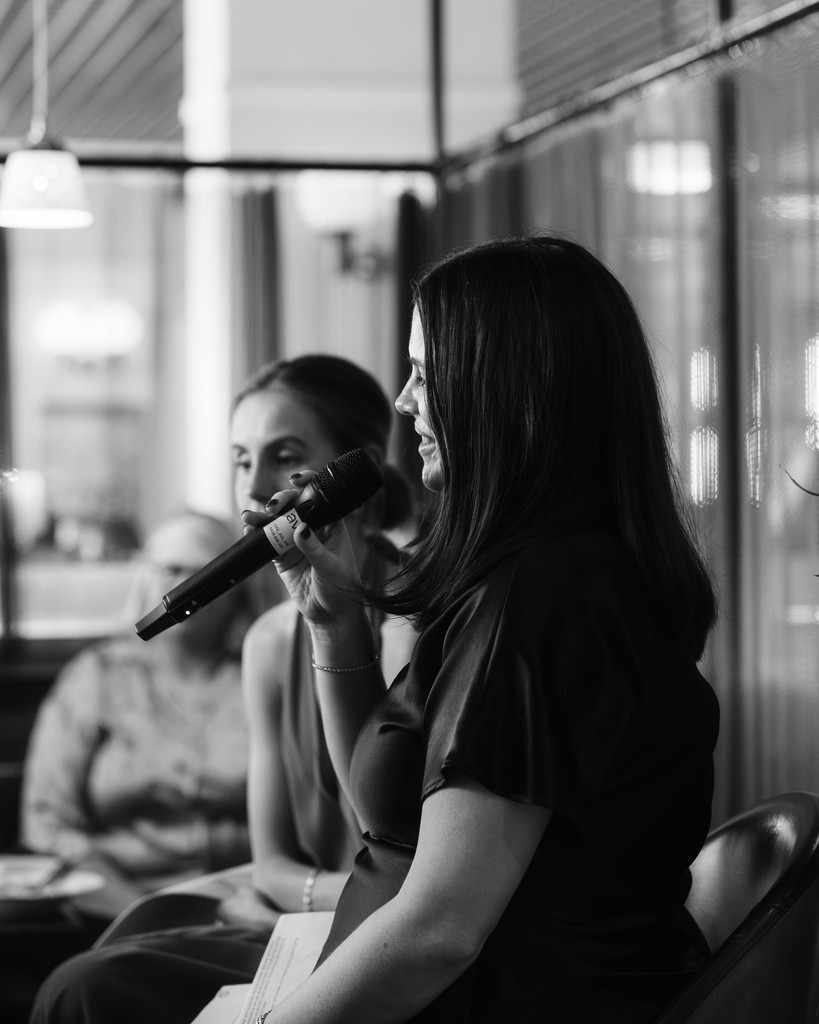
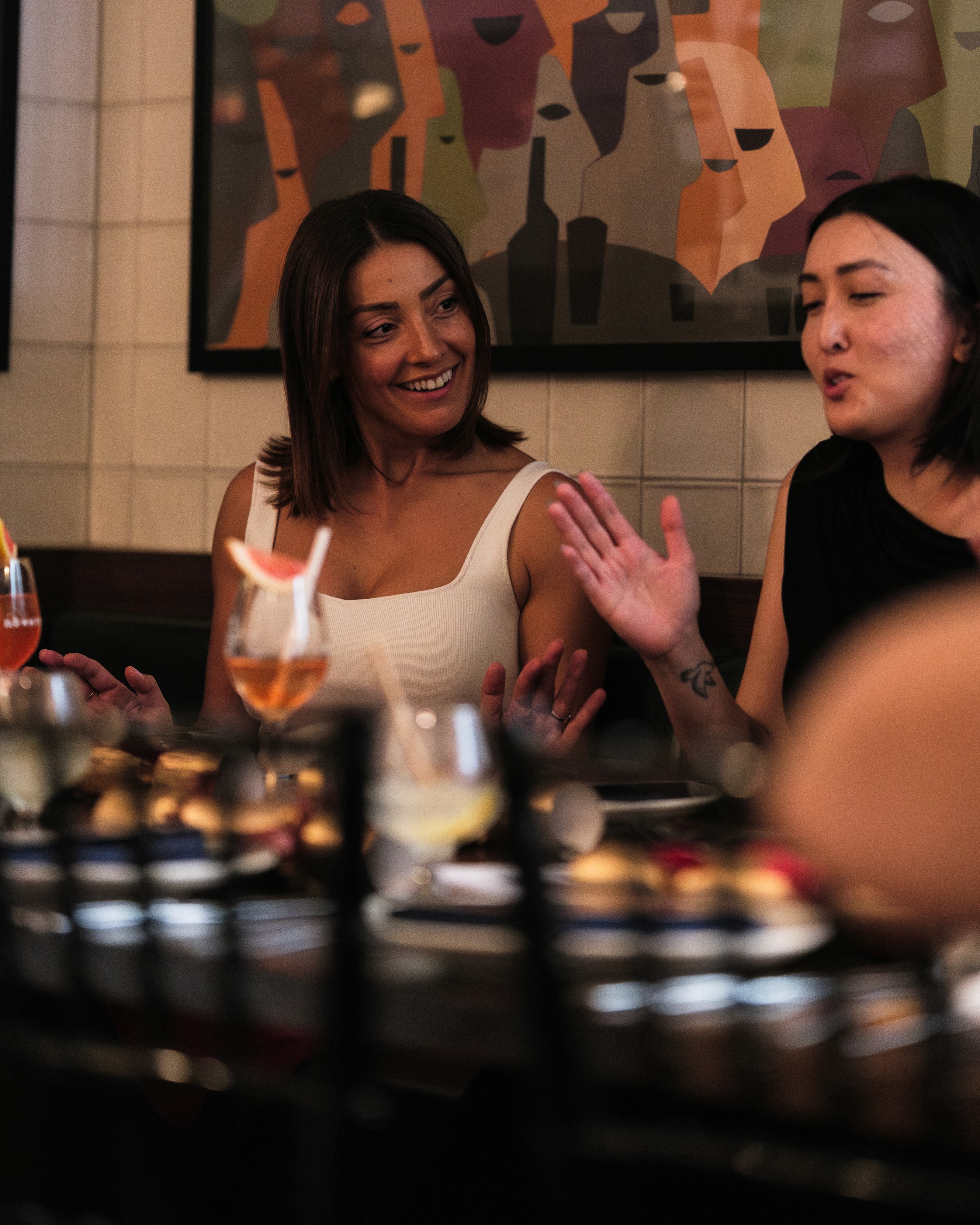
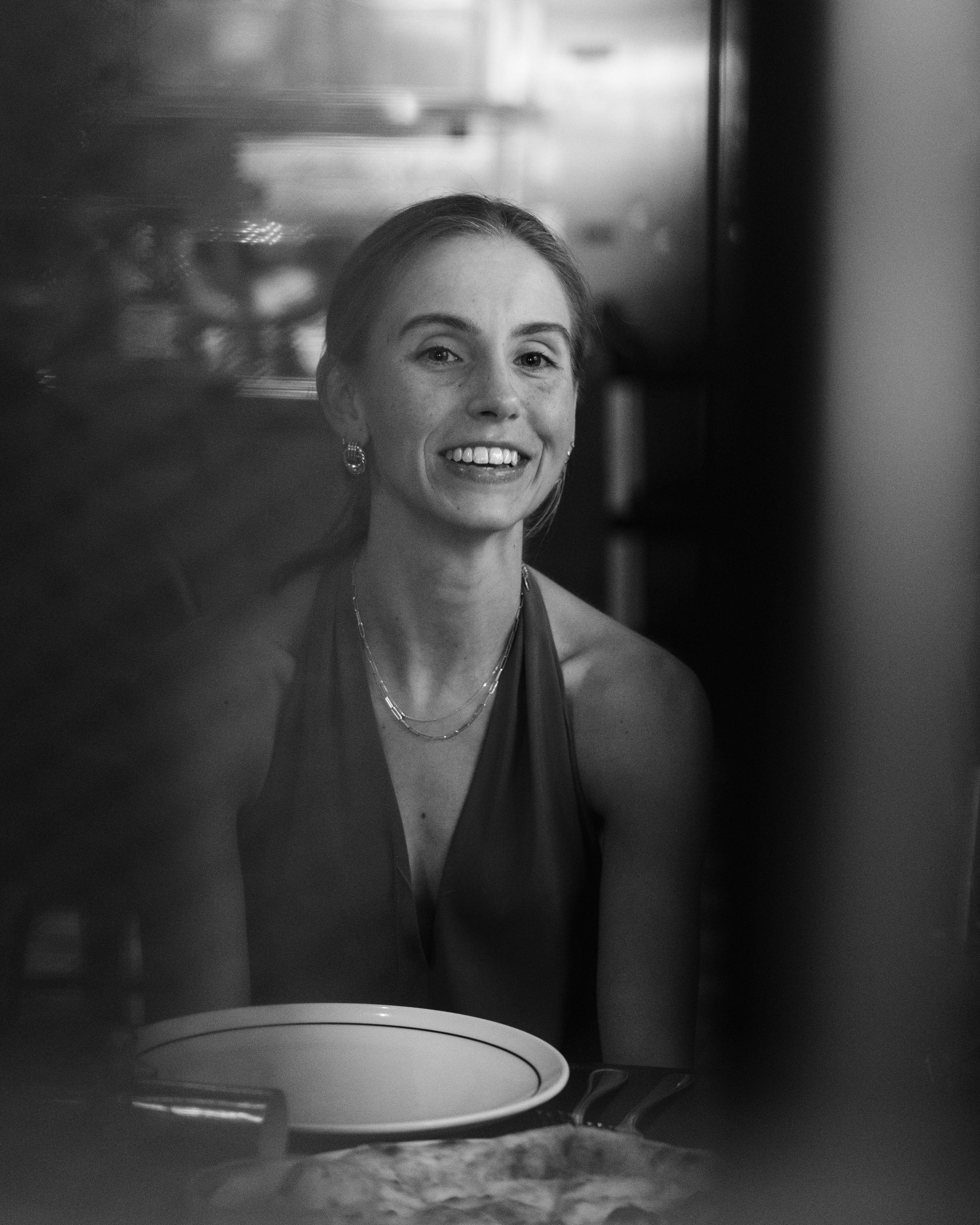
At our most recent Little Fridays lunch, we explored what it really takes to build retail precincts with cultural gravity - places that people return to not because they have to, but because something about the experience pulls them back in.
For this session, we hosted Jo Windybank, Senior Executive at Colliers, and one of the true standouts in Sydney’s CBD retail landscape. Jo has built a reputation not just on commercial excellence, but on warmth, clarity and a genuine sense of heart. Her work across precincts like Sydney Metro Martin Place, Parkline Place and 1 Chifley Square has had a meaningful influence on the evolution of the CBD.
This conversation was one of our favourites - expansive, practical, and deeply human.

What creates 'pull'?
Predictability and surprise - in equal measure
If there’s one thing Jo is passionate about, it’s the alchemy behind brand and tenant “pull.”
She described it as a balance between consistency and delight. The experience has to feel familiar and reliable, but also alive - something that evolves, surprises and sparks curiosity.
She pointed to examples across the industry that consistently achieve this:
Messina, with its seasonal collaborations, weekly flavour drops, and partnerships that feel both unexpected and perfectly aligned.
Sneaker Laundry, which brings retail theatre back into play - lines out the door, challenges, competitions and a sense of shared hype.
When a precinct becomes a
living ecosystem
When we asked Jo for an example of a centre where design, leasing and programming harmonised into a genuine ecosystem, she didn’t hesitate:
Elizabeth Street at Martin Place Metro.
Two towers, two briefs but one truly cohesive experience. Jo described it as a place where:
Shopfront design
Blade signage
The delivery team
Metro requirements
Operator diversity
…all came together in a single narrative.
Anchors like Lune, Industry Beans and Etymon’s Lou Lou sat alongside first-to-market brands like Sneaker Laundry and niche operators such as Tamon Sushi.
It wasn’t just a centre. It felt alive.
Jo tied this to a broader shift she’s seeing: retail brands becoming ecosystems in themselves. Think:
Hospitality-retail hybrids
Rooftop restaurants
Private membership clubs
Co-working communities
Fashion brands expanding into lifestyle spaces
Art, wellness and dining merging
This is world-building beyond the four walls.

The underestimated power
of serendipity
One of the most resonant parts of the discussion came when we explored storytelling in leasing - and specifically, the emotional memory created through everyday human moments.
When we asked Jo whether centres underestimate the role of serendipity, her response struck everyone in the room:
“Yes - because centres have focused on efficiency. But loyalty is built on emotional memory, not operational neatness.”
She described serendipity as:
A barista remembering your order
Someone asking about your weekend
Familiar faces becoming part of a weekly rhythm
These are the moments that make a centre feel like a third place - not just a transactional one.
How much of a centre’s identity is shaped through leasing?
More than most people realise.
Jo summed it up clearly:
“World-building is creating a universe people feel they belong to. And leasing has a huge influence on that.”
She outlined the elements that form precinct identity:
Shopfront design
Consistency in delivery and execution
The calibre of tenants
Operator-to-operator chemistry
Marketing that tenants continue themselves
Relationships and behaviour inside the precinct
And importantly:
“The first tenants build the identity. A food anchor, great coffee, a wellness hub - that’s where the world begins.”
Each Little Fridays session ends with a question passed on from our previous guest. Last time, Haben’s Renaud Herrington asked:
“What do you do when you’re not sure what to do?”
Jo’s answer was wonderfully grounded:
“I know what I wouldn’t do - react quickly or form an opinion based on one piece of information. I sleep on it. Problems halve the next day. And I sound it out with someone.”
And her question for our next guest:
“How do you know when to turn off?
How do you know when enough is enough in a culture with constantly moving goalposts?”
A timely provocation for an industry that is always switched on.


Tenant mix as storytelling: Building a precinct's mythos
We often talk about precincts like James Street or Chadstone as having a “mythos” - an identity so clear that every brand, every corner, every moment feels intentional. Jo agreed, emphasising that precinct storytelling is shaped just as much by leasing as by design or marketing.
She referenced Chadstone’s Market Pavilion as a standout example. By curating operators like Blakeaway, Casa Nata, Mörk, Green Cup, Hank’s Bagelry, Yo Chi and Vics Meat, a collective story emerges - one that feels like a global food marketplace grounded in local heritage and quality.
The customer doesn’t consciously analyse these layers, but they feel them. At its best, leasing becomes curatorial.
Taking strategic risks:
When world-building beats commercial logic
One of the most interesting parts of the conversation was when Jo spoke about taking risks for the sake of world-building - even when the numbers weren't the obvious choice. At Parkline Place, Jo championed bringing The Grounds into the lobby space. From a strict commercial lens, it wasn’t the most logical decision.
But strategically? It was perfect.
“The brief needed a brand with pull. Grounds of the City was at capacity, we couldn’t get a seat - the demand was obvious. This site solved a problem and redefined what a lobby café could be. It gave the precinct character, storytelling and a clear identity during the return-to-office shift.” This decision wasn’t about tenancy fill. It was about cultural gravity. It worked.

The Final Word
Third places are becoming one of the most important differentiators in retail. In a world of digital saturation, people are craving spaces of connection, surprise and emotional resonance. Jo’s perspective reinforces something we’ve always believed at Fred & Freda: that leasing, design and storytelling are not separate disciplines - they’re interconnected forces that shape how people feel inside a place.
A huge thank you to Jo for her honesty, energy and clarity and to everyone who joined us for this Little Fridays conversation. Here’s to continuing it over a very good lunch.
Want to join our next Little Friday?
Third Place Theory:
Why physical space matters
more than ever
We began with Third Place Theory - a concept that feels perfectly timed for a post-COVID, digital-fatigued world. Third places sit outside of home and work. They’re the cafés, laneways and gathering spaces where community actually happens.
When we asked Jo how she explains Third Place Theory to someone new to the idea, she put it beautifully:
“These are the spaces where people build social connection. They create engagement, loyalty and emotional resonance - things online platforms can’t replicate. In a world full of digital noise, they offer moments of respite and discovery.”
This matters because world-building isn’t simply a marketing idea. It’s about designing places that people want to inhabit. It’s about emotional pull and in many ways, leasing sits right at the centre of that.
The Final Word
Third places are becoming one of the most important differentiators in retail. In a world of digital saturation, people are craving spaces of connection, surprise and emotional resonance. Jo’s perspective reinforces something we’ve always believed at Fred & Freda: that leasing, design and storytelling are not separate disciplines - they’re interconnected forces that shape how people feel inside a place.
A huge thank you to Jo for her honesty, energy and clarity and to everyone who joined us for this Little Fridays conversation. Here’s to continuing it over a very good lunch.
World-Building, Cultural Gravity & the Future of Retail - In Conversation with Colliers’ Jo Windybank
And importantly:
“The first tenants build the identity. A food anchor, great coffee, a wellness hub - that’s where the world begins.”
Each Little Fridays session ends with a question passed on from our previous guest. Last time, Haben’s Renaud Herrington asked:
“What do you do when you’re not sure what to do?”
Jo’s answer was wonderfully grounded:
“I know what I wouldn’t do - react quickly or form an opinion based on one piece of information. I sleep on it. Problems halve the next day. And I sound it out with someone.”
And her question for our next guest:
“How do you know when to turn off?
How do you know when enough is enough in a culture with constantly moving goalposts?”
A timely provocation for an industry that is always switched on.
How much of a centre’s identity is shaped through leasing?
More than most people realise.
Jo summed it up clearly:
“World-building is creating a universe people feel they belong to. And leasing has a huge influence on that.”
She outlined the elements that form precinct identity:
Shopfront design
Consistency in delivery and execution
The calibre of tenants
Operator-to-operator chemistry
Marketing that tenants continue themselves
Relationships and behaviour inside the precinct
What creates 'pull'?
Predictability and surprise - in equal measure
If there’s one thing Jo is passionate about, it’s the alchemy behind brand and tenant “pull.”
She described it as a balance between consistency and delight. The experience has to feel familiar and reliable, but also alive - something that evolves, surprises and sparks curiosity.
She pointed to examples across the industry that consistently achieve this:
Messina, with its seasonal collaborations, weekly flavour drops, and partnerships that feel both unexpected and perfectly aligned.
Sneaker Laundry, which brings retail theatre back into play - lines out the door, challenges, competitions and a sense of shared hype.
Popmart, turning product releases into cultural events.
AP Bakery, whose Sunday run club has become ritualistic for its community - coffee, pastries, connection, routine.
Mecca Bourke Street, where the experience is the anchor: scent sommeliers, dermal therapists, immersive beauty services.
The reinvention of food and beverage, driven by TikTok influence, Gen Z curiosity and hospitality’s evolution into multi-platform experience.
What ties these examples together is not trend-chasing but world-building at the brand level. Each creates its own gravitational field.
In Jo’s words:
“If you can be a brand of predictability in your service and quality, but also a brand of surprise, customers will always come back.”
Tenant mix as storytelling: Building a precinct's mythos
We often talk about precincts like James Street or Chadstone as having a “mythos” - an identity so clear that every brand, every corner, every moment feels intentional. Jo agreed, emphasising that precinct storytelling is shaped just as much by leasing as by design or marketing.
She referenced Chadstone’s Market Pavilion as a standout example. By curating operators like Blakeaway, Casa Nata, Mörk, Green Cup, Hank’s Bagelry, Yo Chi and Vics Meat, a collective story emerges - one that feels like a global food marketplace grounded in local heritage and quality.
The customer doesn’t consciously analyse these layers, but they feel them. At its best, leasing becomes curatorial.
Fridays
Little
At our most recent Little Fridays lunch, we explored what it really takes to build retail precincts with cultural gravity - places that people return to not because they have to, but because something about the experience pulls them back in.
For this session, we hosted Jo Windybank, Senior Executive at Colliers, and one of the true standouts in Sydney’s CBD retail landscape. Jo has built a reputation not just on commercial excellence, but on warmth, clarity and a genuine sense of heart. Her work across precincts like Sydney Metro Martin Place, Parkline Place and 1 Chifley Square has had a meaningful influence on the evolution of the CBD.
This conversation was one of our favourites - expansive, practical, and deeply human.
The underestimated power of serendipity
One of the most resonant parts of the discussion came when we explored storytelling in leasing - and specifically, the emotional memory created through everyday human moments.
When we asked Jo whether centres underestimate the role of serendipity, her response struck everyone in the room:
“Yes - because centres have focused on efficiency. But loyalty is built on emotional memory, not operational neatness.”
She described serendipity as:
A barista remembering your order
Someone asking about your weekend
Familiar faces becoming part of a weekly rhythm
These are the moments that make a centre feel like a third place - not just a transactional one.
When a precinct becomes a
living ecosystem
When we asked Jo for an example of a centre where design, leasing and programming harmonised into a genuine ecosystem, she didn’t hesitate:
Elizabeth Street at Martin Place Metro.
Two towers, two briefs but one truly cohesive experience. Jo described it as a place where:
Shopfront design
Blade signage
The delivery team
Metro requirements
Operator diversity
…all came together in a single narrative.
Anchors like Lune, Industry Beans and Etymon’s Lou Lou sat alongside first-to-market brands like Sneaker Laundry and niche operators such as Tamon Sushi.
It wasn’t just a centre. It felt alive.
Jo tied this to a broader shift she’s seeing: retail brands becoming ecosystems in themselves. Think:
Hospitality-retail hybrids
Rooftop restaurants
Private membership clubs
Co-working communities
Fashion brands expanding into lifestyle spaces
Art, wellness and dining merging
This is world-building beyond the four walls.
Taking strategic risks:
When world-building beats commercial logic
One of the most interesting parts of the conversation was when Jo spoke about taking risks for the sake of world-building - even when the numbers weren't the obvious choice. At Parkline Place, Jo championed bringing The Grounds into the lobby space. From a strict commercial lens, it wasn’t the most logical decision.
But strategically? It was perfect.
“The brief needed a brand with pull. Grounds of the City was at capacity, we couldn’t get a seat - the demand was obvious. This site solved a problem and redefined what a lobby café could be. It gave the precinct character, storytelling and a clear identity during the return-to-office shift.” This decision wasn’t about tenancy fill. It was about cultural gravity. It worked.
Want to join our
next Little Friday?